Fundação Florestal e ICMBio autorizam manejo de micos-leões-pretos para salvar dois grupos da extinção. Ação será realizada pelo IPÊ, no Pontal do Paranapanema
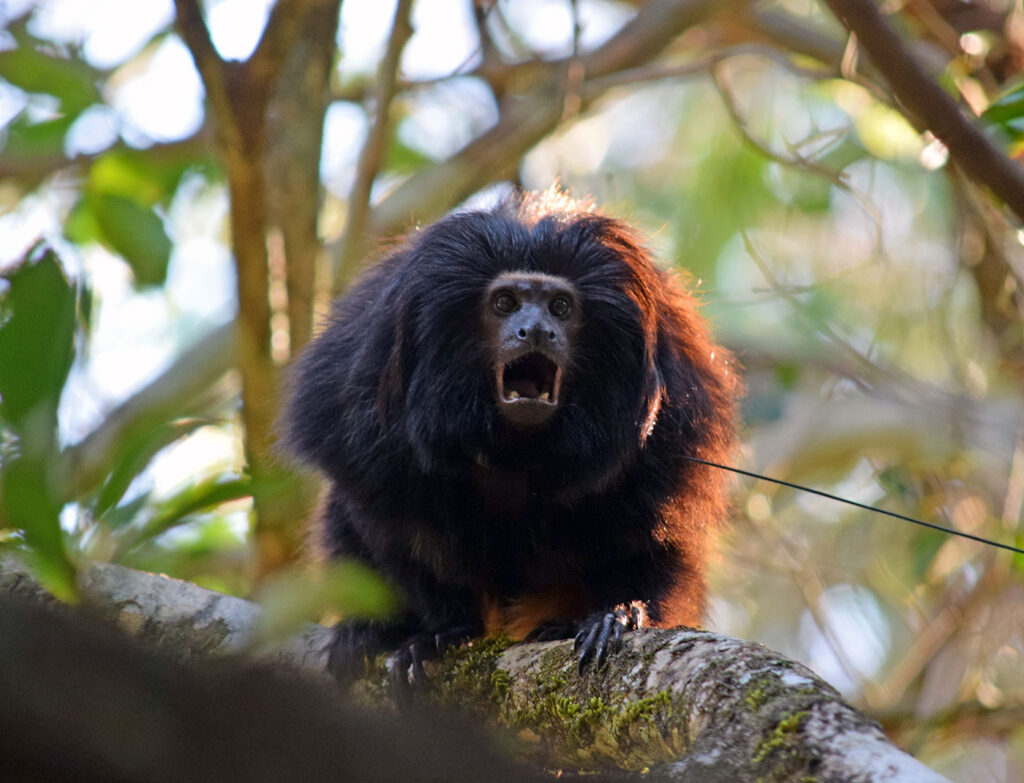
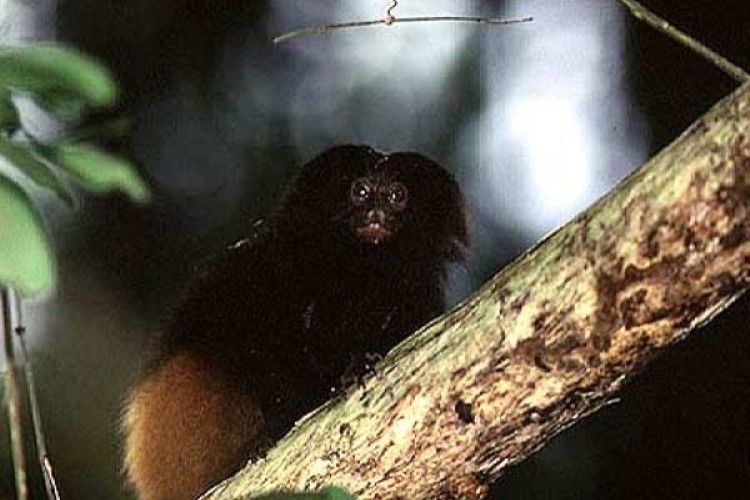
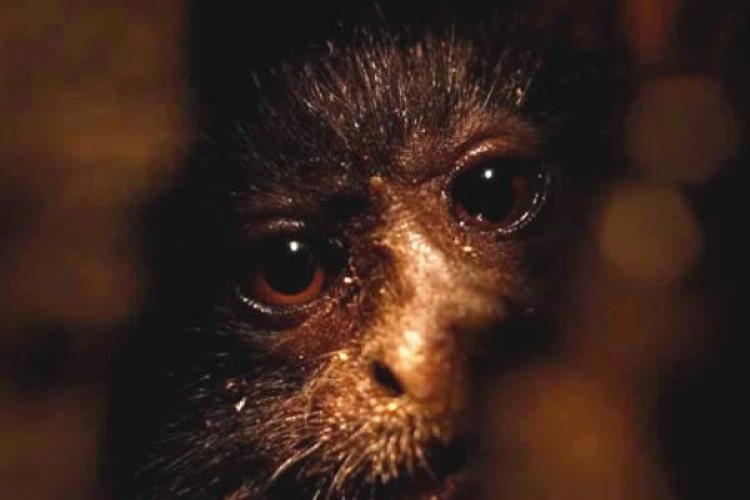
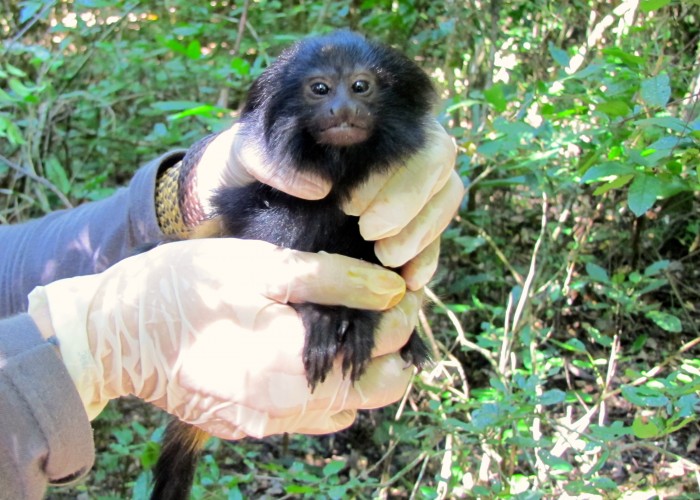
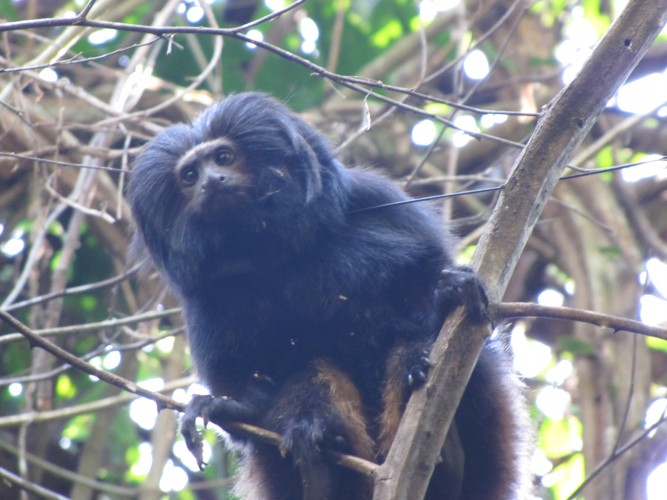
O Programa de Conservação do Mico-leão-preto, a mais longeva iniciativa do IPÊ – Instituto de Pesquisas Ecológicas, recebeu autorização da Fundação Florestal de São Paulo e do Instituto Chico Mendes de Conservação da Biodiversidade (ICMBio) para realizar uma ação estratégica de translocação de dois pequenos grupos de micos-leões-pretos (Leontopithecus chrysopygus) para aumentar as chances da população residente em um pequeno fragmento continuar existindo no médio e longo prazo. Os grupos da população fonte vivem no Parque Estadual do Morro do Diabo e serão levados para um fragmento florestal de 500 hectares localizado em propriedade privada, na região do Pontal do Paranapanema, no extremo Oeste Paulista.
Gabriela Rezende, coordenadora do Programa de Conservação do Mico-leão-preto, explica os motivos que justificam esse trabalho específico. “Escolhemos essa população como alvo de nossa próxima ação porque ela apresenta sérios riscos de se extinguir nos próximos 10, 20 anos, por conta de seu tamanho reduzido e da baixa variedade genética. Assim também ganhamos tempo para, a partir da restauração de corredores florestais, conseguirmos a conectividade funcional com outras áreas de floresta da região. No local, já temos observado declínio populacional e precisamos agir com urgência para evitar o desaparecimento da pequena população que ainda resta na área”.
Próximo passo
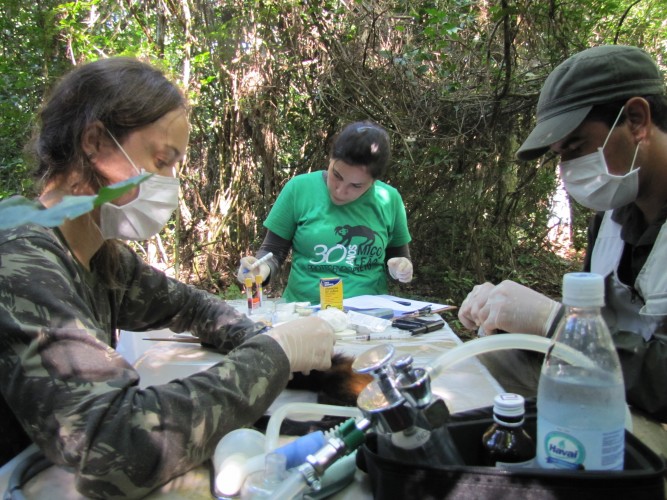
Com as recentes autorizações do ICMBio e da Fundação Florestal, que administra o Parque Estadual Morro do Diabo, localizado no extremo Oeste paulista, os pesquisadores em breve vão realizar a retirada de forma controlada de alguns poucos grupos de micos-leões-pretos que vivem no Parque, o que não representa risco à população fonte. Os micos, monitorados desde abril de 2023, terão como destino o fragmento florestal de uma propriedade privada como forma de contribuir com a conservação dos grupos que ali vivem. A retirada de um grupo que será levado para outra área é conhecida como translocação. “É uma medida estratégica que deve ser realizada no início deste ano (janeiro e fevereiro), assim aproveitamos a estação com maior disponibilidade de recursos, o que aumenta as chances de adaptação e sobrevivência dos micos na nova área”, comenta a coordenadora do Programa.
Corrida contra o tempo
Mônica Montenegro, coordenadora do Plano de Ação Nacional para a Conservação dos Primatas da Mata Atlântica e da Preguiça de coleira (PAN PPMA) e também ponto focal do Centro Nacional de Pesquisa e Conservação de Primatas Brasileiros (CPB/ICMBio) para o manejo populacional, explica que translocação é uma medida extrema, mas necessária. “Infelizmente, para muitas espécies de primatas brasileiros, como os micos-leões, chegamos neste ponto, nessa necessidade de intervenção populacional. E é aí que está a grande importância desse manejo, para a garantia da manutenção de populações viáveis na natureza por longo prazo e para a conservação destas espécies. Falando especificamente no caso do mico-leão-preto, apesar de grandes esforços para a manutenção e conectividade de seu hábitat, chegamos (no PAN PPMA) à conclusão, com base em uma série de informações existentes para a espécie, que apenas isso não será suficiente para garantir a viabilidade de algumas populações e que, apesar dos riscos, devemos usar essa ferramenta, tanto em termos populacionais quanto genéticos. Com o conhecimento acumulado, inclusive em translocações de micos-leões, e as equipes envolvidas nestas ações, as expectativas são as melhores possíveis”.
Quanto à escolha da população do Parque Estadual Morro do Diabo como fonte, os estudos de Francy Forero Sanchez, pesquisadora do Programa de Conservação Mico-leão-preto, revelaram que essa é a única população considerada viável e autossustentável no longo prazo (100 anos). Quanto menores as populações de micos e mais isoladas por conta da fragmentação da paisagem, maiores são os riscos de se extinguirem no curto/médio prazo. A conservação da espécie no longo prazo está relacionada ao aumento da conectividade entre os fragmentos. Essa ação tem o potencial de contribuir com o fluxo gênico ao conectar populações. Na mesma medida, precisamos implementar estratégias eficazes de manejo envolvendo indivíduos, em especial de pequenas populações isoladas em pequenos fragmentos, promovendo o fluxo gênico a partir dessas movimentações conduzidas”. Francy também é mestra em Conservação da Biodiversidade e Desenvolvimento Sustentável, pela ESCAS/IPÊ – Escola Superior de Conservação Ambiental e Sustentabilidade.
Eriqui Inazaki, gestor do Parque Estadual Morro do Diabo (FF/SP), reconhece a importância da translocação nesse momento. “Ao longo dos anos acompanhamos de perto o Programa de Conservação do Mico-leão-preto, e sabíamos que chegaria o momento em que seria necessário a translocação, desta forma, avaliamos todos os pontos positivos e negativos. Como gestor, tenho o sentimento de felicidade em saber que o PEMD devido ao seu bom estado de conservação ainda é refúgio para sobrevivência de várias espécies ameaçadas de extinção, principalmente do mico-leão-preto. Neste ano, em que completo 10 anos à frente da gestão do PEMD, acompanhar uma ação de manejo tão importante para sobrevivência da espécie nos traz o sentimento que estamos no caminho certo e que todos os esforços estão surtindo resultados positivos. Assim não resta dúvida que bons projetos de reintrodução de animais - de volta as suas áreas de ocorrência natural ou para reforçar populações pequenas e vulneráveis - são importantes e desejáveis no âmbito das áreas protegidas e seu entorno. Esse projeto proposto pelo IPÊ coordenado pela Gabriela Rezende apresentou relevância na estratégia para a conservação da espécie na região do PEMD e da ESEC Mico-leão-preto”.
Ações integradas
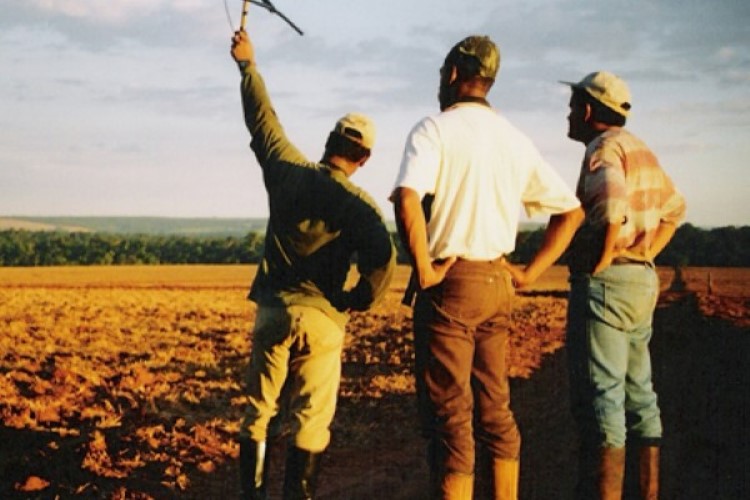
Há mais de 20 anos o IPÊ vem realizando restauração florestal na região do Pontal do Paranapanema como forma de ampliar e conectar fragmentos florestais às duas grandes áreas protegidas na região, a Estação Ecológica Mico-leão-preto (ICMBio) e o Parque Estadual Morro do Diabo (FF/SP). Leandro Jerusalinsky, coordenador do CPB/ICMBio - Centro Nacional de Pesquisa e Conservação de Primatas Brasileiros, destaca o tamanho do desafio, mas também da importância de atuar em múltiplas frentes tendo em vista a conservação da espécie. “Diante de situações limites – como esta – é essencial a gente manter as áreas onde vive a espécie, o que tem sido feito por meio das Unidades de Conservação, como o Parque Estadual Morro do Diabo, por exemplo, e promovendo a conectividade entre os habitats – algo que o IPÊ faz de forma competente e interessante no Pontal do Paranapanema para tentar reconectar essas pequenas peças do quebra-cabeça. Tudo isso pautado em educação ambiental e muita pesquisa para aumentar o conhecimento sobre ecologia dos animais”.
Alinhamento federal e estadual
Além das autorizações das instâncias estaduais (Fundação Florestal) e federais (ICMBio) para a realização da translocação de micos-leões-pretos em 2024, o IPÊ obteve a chancela do Grupo de Assessoramento Técnico do PAN PPMA (CPB/ICMBio) para seguir com a estratégia de translocação.
No início de 2024 também deve ser aprovado um Programa que representa avanços para a conservação do mico-leão-preto, espécie que ocorre apenas no estado de São Paulo, revela Mônica. “No início do ano, devemos ter o reconhecimento, por parte do ICMBio, do Programa de Manejo Populacional do Mico-leão-preto (Leontopithecus chrysopygus), que está em fase final de avaliação pelo Instituto”.
Jerusalinsky destaca o contexto que levou ao desenvolvimento desse Programa de Manejo. “Tínhamos dados recentes robustos que nos mostravam que se não adotarmos medidas de manejo populacional, se não fizermos as translocações agora, a viabilidade dessas populações de micos-leões-pretos vai rapidamente reduzir e provavelmente vai ter extinção local. Além disso, é uma espécie que está Em Perigo de extinção. Também tem o senso de oportunidade, o arcabouço de planejamento de política pública montado no Plano de Ação, o histórico do IPÊ com o Programa de Conservação do Mico-leão-preto que conta com uma equipe altamente capacitada – é a equipe com mais experiência acumulada em manejo dessa espécie. Então, dentro do possível, os riscos estão relativamente controlados e reduzidos. Acreditamos que o planejamento está muito bem feito e contamos com a chancela do Grupo de Assessoramento Técnico do Plano de Ação”. Uma vez aprovado pela Diretoria, o programa é publicado no site do ICMBio e tem validade de 10 anos.
Os Programas de Manejo Populacional são desenvolvidos a partir da Instrução Normativa (IN) ICMBio nº 5/2021 que traz as diretrizes para estruturar os programas de manejo populacional para espécies brasileiras ameaçadas de extinção, visando à recuperação e manutenção de suas populações. “A primeira espécie a contar com o desenvolvimento do Programa de Manejo foi o bugio ruivo (Alouatta guariba), com ampla abrangência e que estava com uma demanda emergencial em função da febre amarela”, menciona Leandro Jerusalinsky, coordenador do CPB/ICMBio - Centro Nacional de Pesquisa e Conservação de Primatas Brasileiros. Segundo Mônica, também estão previstas três oficinas de trabalho para elaboração dos PMPs – Programas de Manejo Populacionais para o muriqui-do-norte, o mico-leão-dourado e o sagui-da-serra-claro.
Autorizações
Relacionamos abaixo as autorizações para a realização de translocação envolvendo a população de micos-leões-pretos do Parque Estadual Morro do Diabo como fonte.
Manifestação do Grupo de Assessoramento Técnico do PAN PPMA e parecer técnico das instâncias estaduais (nº 0012882109) sobre a proposta do projeto “Manejo Populacional do Mico-leão-preto (Leontopithecus chrysopygus) no Pontal do Paranapanema”.
Declaração de anuência do proprietário da Fazenda San Maria para soltura dos grupos e atividades de monitoramento.
Autorização da Fundação Florestal para a translocação: Nº Processo 262.00004103/2023-81
Autorização das instâncias federais (CPB/ICMBio) para a translocação: Autorização SISBio nº 90091
Autorizações de pesquisa para o monitoramento de grupos do Parque Estadual Morro do Diabo para a translocação: processo nº 000000014546/2022 e processo EAmbiente SEMIL.058838/2023-43